Home Lab
Infrastructure, virtualization, and networking.
An in-home, practical, inexpensive lab for proving that private AI, voice control, and intelligent automation can live locally, within reach of ordinary households.
Our Ollama-powered systems keep everyday assistance close to the people and devices they serve: interpreting voice, recognizing images, helping write automations, retrieving local knowledge, and coordinating the home without sending its context to a distant cloud.
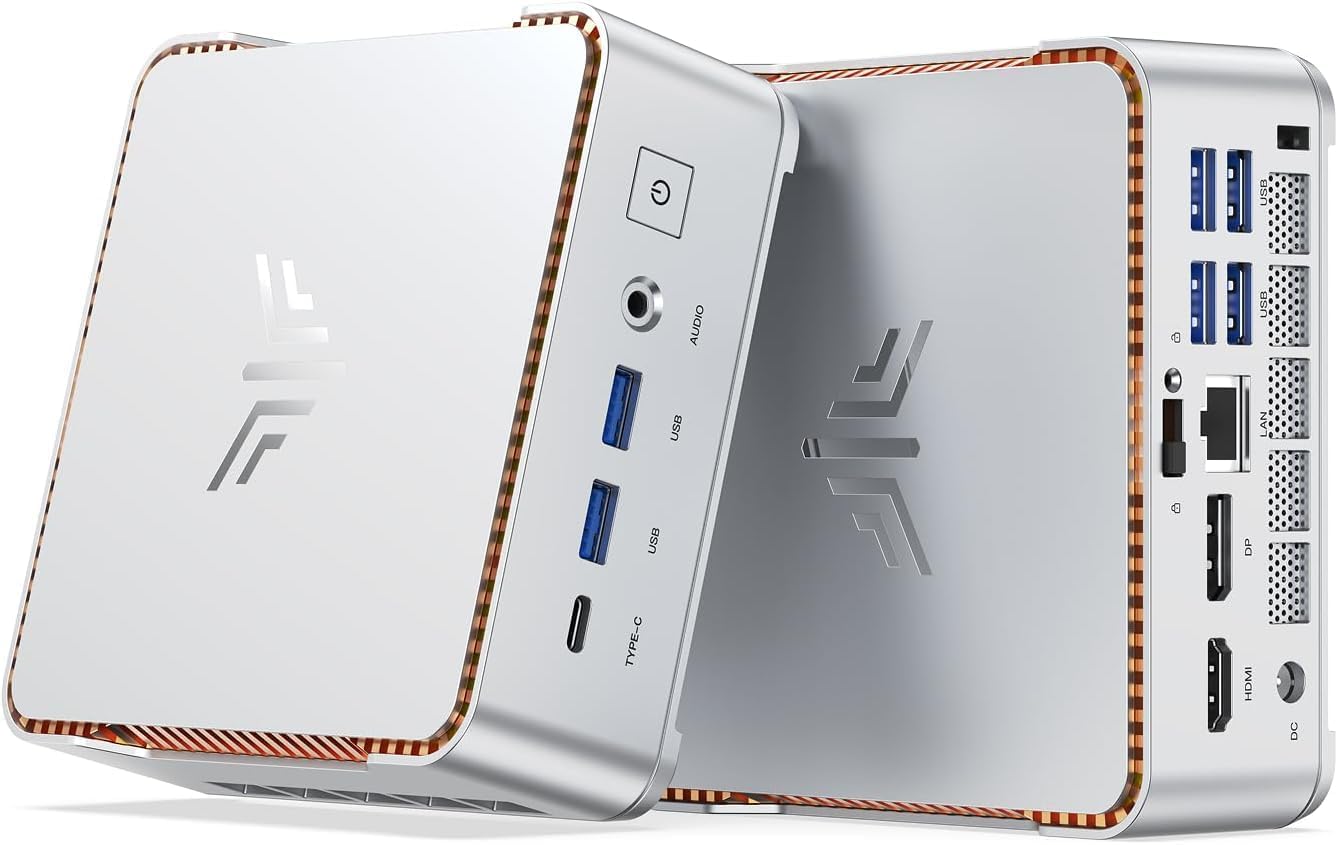
Independent field testing for the next generation of local-first infrastructure.
Hardware and software partners are invited to place real products in a transparent, community-facing evaluation environment.“The future of the smart home belongs at the edge, not in the cloud. The future of helpful AI should live there too.”
Our mission is to dismantle reliance on subscription-heavy, high-maintenance cloud servers by testing, benchmarking, and engineering simple, cost-effective, and entirely private local ecosystems for every home. That includes practical AI: Ollama models running inside the lab to support local voice assistants, vision, coding, automation, and private document search. We measure the real tradeoffs between model capability, response latency, memory, power, and hardware cost so families can choose systems that fit their needs instead of accepting opaque cloud subscriptions as the only path to a smart home. We want to provide a low-cost, one-stop, tried-and-tested solution for integrating secure infrastructure for this Smart Home Edge System.
Each hub will grow through setup guides, configuration notes, field reports, and references that make the work reproducible.
Infrastructure, virtualization, and networking.
Automation, dashboards, and integrations.
Private voice control and satellite systems.
Locally managed music and film platforms.
Durable, private storage for the household.
Resilient, local-first visibility and protection.
Fabrication, repairs, and custom parts.
Experiments and emerging local technologies.
Community engagement and partner stories.
The lab is putting local AI to work inside the same private infrastructure it documents, with models selected for voice, vision, coding, automation, and local document context.
GPU passthrough and Vulkan behavior remain part of the lab's measured validation work, not an assumed performance guarantee.
These roles describe the planned lab workload. Published latency, throughput, and power results will appear in the testing matrix after repeatable runs.
We will test the complete local path, not just the model in isolation: from the satellite microphone, across the private backend, through Home Assistant and Ollama, and back to the speaker. Every result should be explainable, repeatable, and useful to the community.
A core privacy condition: when the satellite is idle, it should not stream household audio to the backend. Network captures and pipeline logs will help verify that behavior.
The matrix is intentionally empty until hardware units enter the lab. Published results will be tied to repeatable configurations and software versions.
| Hardware model | Software / firmware | Workload | Latency | Throughput | Power |
|---|---|---|---|---|---|
| Pending lab integration | Pending | Pending | -- | -- | -- |
| Pending lab integration | Pending | Pending | -- | -- | -- |
| Pending lab integration | Pending | Pending | -- | -- | -- |
Testing Matrix: Launching Summer 2027 — Hardware Units Currently Pending Lab Integration.
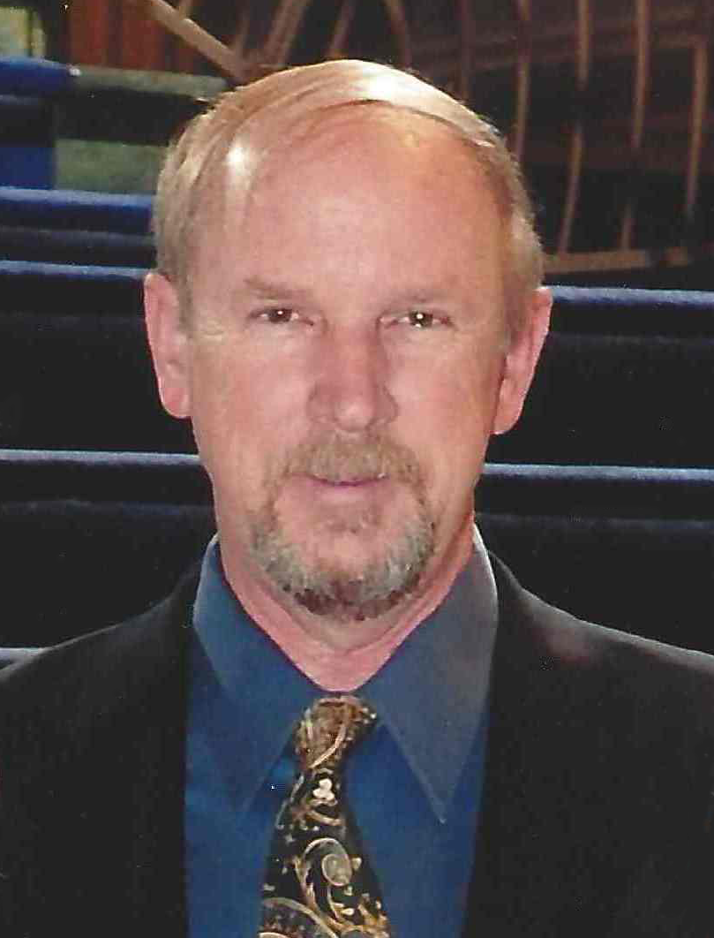
Ed Barnes is a retired veteran with a deep, multi-decade understanding of the technological evolution of voice assistant ecosystems, from early high-latency cloud architectures to modern local-first environments. Following a career cut short due to a disability, Ed has channeled his disciplined engineering mindset, rigorous testing methodologies, and dedicated full-time focus into pioneering open-source, private-by-default home automation.
Utilizing an enterprise-grade testing lab, a dedicated media production studio, and extensive hands-on experience deploying containerized virtualization architectures, Ed is building a definitive open benchmark data matrix for the next generation of local voice infrastructure. His goal is to provide the global open-source community with transparent, empirical performance data that bridges the gap between hardware manufacturers and private smart home adopters.
We are seeking sponsorship from hardware and software companies that want their products evaluated in a real, privacy-first home infrastructure.
Start a conversationSupport helps us build and document the testbed through: